Essential Tips for Maintaining Your Parker Hose & Fitting Inventory
Key Takeaways
- Regular inspections can prevent costly downtime.
- Proper storage extends the lifespan of hoses and fittings.
- Organizing inventory helps in quick retrieval and management.
- Maintaining an emergency kit can save time during repairs.
Table of Contents
- Regular Inspections
- Proper Storage
- Inventory Organization
- Emergency Kits
- Best Practices for Record Keeping
Regular Inspections
A critical aspect of maintaining your hose and fitting inventory is conducting regular inspections. Ensuring that all components are in good condition can prevent unexpected failures. For instance, managing a parker hose & fitting inventory Charlotte, NC, requires diligent, periodic checks to ensure optimal performance. According to a study on hose inspection, scheduled checks can reduce the likelihood of equipment downtime by 60%.
During inspections, look for signs of wear and tear, such as cracks, leaks, or corrosion. Replace any damaged hoses or fittings immediately to avoid compromising the entire system. Implementing a checklist for these inspections can streamline the process and ensure no critical points are overlooked. This approach allows for a structured and thorough examination, avoiding the risk of missing subtle signs of degradation that could escalate into major issues.
Additionally, it’s beneficial to train all staff responsible for the inspections. Educating them about what specific signs to look out for can make the process more effective and reduce the chances of human error. Regular training sessions can also update employees on the latest inspection techniques and tools, ensuring they have the knowledge and resources to perform their tasks to the highest standard.
Proper Storage
Storing hoses and fittings correctly can significantly extend their service life. Keep them in a cool, dry place, away from direct sunlight and chemicals that could cause deterioration. Proper storage is essential for preventing damage that could lead to leaks or bursts. This is especially true for hoses that have rubber components, as they can degrade quickly when exposed to harsh conditions.
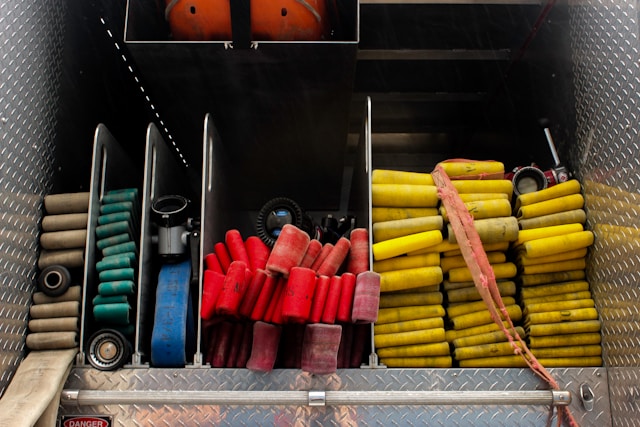
Use racks or shelves to store hoses and fittings, ensuring they are not coiled too tightly, as this can cause internal damage. Labels indicating the type and size of hoses and fittings can make retrieval more accessible and quicker. For best results, invest in purpose-built storage solutions designed specifically for hose and fitting management. These can include specialized racks that avoid bends and kinks, protective covers to shield from dust and debris, and climate-controlled environments to prevent material degradation.
Moreover, rotating stock is a good practice, especially if you have a large inventory. First in, first out (FIFO) ensures older stock is used before newer stock, reducing the risk of deterioration. Regularly check stored items to ensure they remain in good condition and that storage guidelines are being followed. This proactive approach helps maintain the integrity of your inventory over a more extended period.
Inventory Organization
Having a well-structured inventory system allows for easy and fast access to hoses and fittings when performing maintenance or repairs. Use marked containers or racks to sort items based on size, kind, or purpose. This system not only saves time but also guarantees you always have essential parts when they are most needed.
Contemporary inventory management software helps monitor stock levels, reorder points, and usage trends. This digital method enables timely updates and can indicate when it’s necessary to replenish specific items, decreasing the chance of running out of essential parts. Utilizing barcode or RFID systems can enhance the efficiency of the tracking and updating process, offering accurate information instantly.
Conduct regular inventory audits to guarantee accuracy. Compare the manual count with electronic data to detect discrepancies indicating potential theft, loss, or mismanagement. Regular audits serve to maintain accurate records and also identify usage trends, enabling improved forecasting and stock management. You can boost operational efficiency and minimize downtime by ensuring your inventory is both organized and regularly updated.
Emergency Kits
Having an emergency kit filled with necessary hoses and fittings can save a life. Store this kit in a separate toolbox that can be easily reached. Having this prepared kit reduces the amount of time not working and improves how well things run.
Essential items for the emergency kit should consist of commonly utilized hoses and fittings in addition to required tools to make rapid repairs. Consistently keep the kit up to date and stocked to guarantee it’s always prepared for use. Taking a proactive stance can help prevent unexpected breakdowns, saving both time and money.
Along with the items, add a manual to the emergency kit that explains typical problems and their immediate solutions. This could be especially handy for field workers who may require quicker access to in-depth manuals or assistance. The manual needs to be easy to understand, brief, and regularly revised to keep up with any advancements in repair methods and equipment.
Best Practices for Record Keeping
Accurate record-keeping is vital for tracking inventory levels, usage patterns, and maintenance schedules. Digital tools or software are used to log each inspection and maintenance activity. This data is invaluable in predicting when a hose or fitting might need replacement, ensuring your operations run smoothly.
Implementing a standardized record-keeping format can help maintain consistency. Regular audits of the inventory and records can help identify discrepancies or issues before they become significant problems. For many businesses, maintaining a well-documented inventory ensures compliance with industry standards and improves overall efficiency.
Moreover, integrating record-keeping practices with predictive maintenance strategies can further enhance inventory management. By leveraging historical data, advanced algorithms can predict potential failures or the optimal time for replacements, thus reducing the risk of unplanned downtime. Communicate these findings regularly among the team to foster a proactive culture where maintenance is prioritized, and issues are addressed before they escalate.