A Practical Guide to Electrical Safety and Maintenance for Homeowners
Maintaining a home’s electrical system is crucial for safety and efficiency. Faulty wiring, overloaded circuits, and outdated components can lead to power outages and fire hazards. Regular inspections and simple precautions can prevent accidents. Homeowners can check for frayed wires, use surge protectors, and avoid overusing extension cords. Seeking professional help for complex issues is essential. Staying informed about basic electrical safety measures protects property and ensures a reliable power supply.
Understanding the Basics of Electrical Safety
Electrical safety is paramount for every homeowner as it forms the foundation of household well-being. Understanding electrical components and hazards is vital in minimizing electricity-associated risks. Common hazards include exposed wires that pose shock threats, overloaded circuits leading to fires, and faulty appliances that could fail unexpectedly. Homeowners can dramatically reduce these risks by adhering to modern safety codes and standards. An updated and well-maintained electrical system is essential in regions like Texas. One way to ensure you’re in line with these modern standards is by considering panel upgrades Tyler, TX, enhancing safety and operational efficiency.
Recognizing that electrical mishaps can lead to severe consequences like fires or catastrophic electrical shocks underscores why knowledge in this area is essential. Often, it’s the little errors or lapses in judgment that can trigger more significant issues. For instance, a simple overlook of a frayed wire could jeopardize the entire electrical system.
Tips for Safe Electrical Maintenance
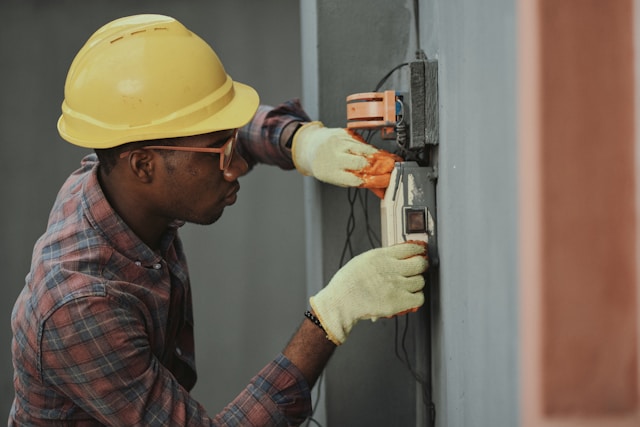
Regular electrical maintenance is essential to prevent minor issues from becoming costly disasters, requiring meticulous attention to detail and adherence to best practices. To keep your home electrically sound, turn off power at the breaker box before starting any work, use insulated tools to prevent accidental contact with live wires, inspect devices for frayed cords, and replace burnt-out bulbs with the recommended wattage to avoid overheating and fire risks. These strategies prolong appliance life and significantly enhance your household’s safety.
Common Electrical Issues and How to Fix Them
Homeowners frequently experience typical electrical problems, including flickering lights, tripped breakers, and broken outlets. To resolve these problems, tighten the lightbulb or ensure it is installed correctly. If issues continue, get your wiring inspected by a professional. Breakers may trip often due to short circuits or overloaded circuits. Resetting the breaker and disconnecting gadgets will lessen the circuit’s load. A licensed electrician should fix persistent problems to protect your safety and the safety of the electrical systems in your house.
Importance of Regular Electrical Inspections
Routine electrical inspections proactively identify and mitigate potential hazards before they escalate into costly repairs or dangerous situations. Qualified electricians perform these inspections to pinpoint issues such as outdated wiring or faulty electrical panels that could compromise household safety. Regularly conducting these assessments ensures that your electrical system complies with current regulations and standards, giving you peace of mind.
DIY vs. Professional Electrical Repairs
Deciding when to tackle electrical repairs or call in the professionals can be challenging. While minor fixes such as replacing outlets or installing new light fixtures can be safely undertaken by those with basic electrical knowledge and the right tools, professionals best handle complex tasks like rewiring and panel upgrades. This ensures both safety and compliance with legal requirements. Skilled professionals possess the expertise to perform such tasks accurately and safely, reducing your risk and potential future costs associated with improper installations.
Adopting Energy-Efficient Practices
Energy efficiency is crucial in today’s environmentally-conscious society, benefiting households and the planet. Simple changes like using LED bulbs, installing programmable thermostats, and upgrading to ENERGY STAR appliances can significantly reduce energy bills, save on heating and cooling costs, and improve indoor temperature management.