
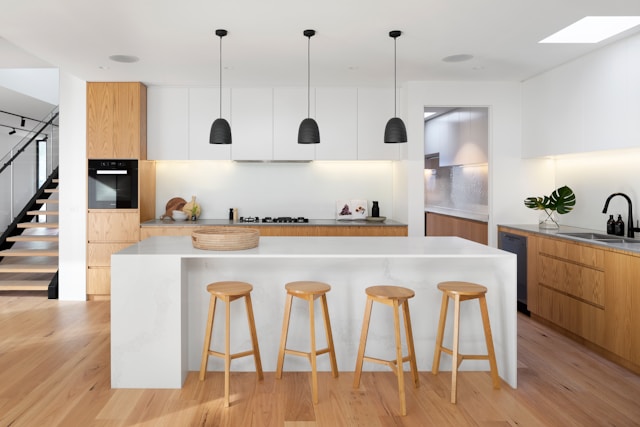
Designing Functional and Stylish Kitchens: Key Considerations and Trends
A thoughtfully designed kitchen balances practicality with elegance. It must cater to everyday cooking requirements while providing an enjoyable atmosphere. Key considerations include the layout, storage solutions, and the choice of materials. Organizing the space effectively ensures that everything from cookware to ingredients is within reach, making cooking easier and more enjoyable.
Choosing appliances that fit the space and your lifestyle is important when planning a kitchen. For example, oven installation Washington, DC, has become a popular service, helping homeowners create a seamless cooking area. Whether updating a single appliance or redesigning the entire kitchen, paying attention to both practicality and aesthetics leads to a space that works well and looks great.
Essential Elements for a Functional Kitchen
Functionality is at the core of effective kitchen design, where every element works harmoniously to facilitate a smooth culinary experience. A pivotal aspect of this is the layout, particularly the kitchen work triangle. This classic design principle connects the sink, stove, and refrigerator, ensuring these key components are within easy reach and minimizing unnecessary movement. Additionally, innovative storage solutions, such as deep drawers and pull-out shelves, offer unparalleled organization, transforming clutter into easily accessible essentials. Often overlooked, lighting plays a dual role in illuminating tasks and setting the ambiance, which is crucial for a well-rounded kitchen environment.
Trending Styles in Kitchen Design
Kitchen styles are as diverse as personal tastes, with trends constantly evolving to cater to the latest design innovations. Contemporary styles celebrating clean lines and minimalist aesthetics are popular alongside warm, rustic designs that evoke a cozy, lived-in feel. Minimalism, focusing on functionality, often incorporates sleek finishes and hidden storage solutions. Meanwhile, homeowners are increasingly exploring new kitchen design trends such as open shelving, which provides both utility and a stage for personal decor, and mixed materials, like combining wood with metals, to add depth and interest to the kitchen’s visual appeal.
Sustainable Materials for Modern Kitchens
Sustainability is a growing priority in kitchen design, with many opting for environmentally friendly materials that support eco-conscious living. With its rapid renewability, bamboo offers a versatile and durable alternative to traditional wood, suitable for flooring and countertops. Recycled glass, available in many colors and finishes, brings a touch of elegance while repurposing waste material. Reclaimed wood, rich with history, adds a unique character while minimizing environmental impact. These sustainable choices not only future-proof the kitchen but also contribute to an aesthetically pleasing and environmentally responsible home.
Maximizing Space in Small Kitchens
Small kitchens present unique challenges but offer opportunities to innovate creative solutions. The key is maximizing every available space without sacrificing style or functionality. Vertical storage, utilizing walls or high shelving, keeps counters clear and provides ample storage for less frequently used items. Like islands that double as dining areas, multifunctional furniture blends practicality with style. Choosing compact yet efficient appliances can further enhance functionality in confined spaces. By employing these strategies, small kitchens can be transformed into efficient, aesthetically pleasing workspaces that feel much larger than they indeed are.
The Role of Technology in Kitchen Design
Technology is revolutionizing kitchen design, with smart appliances and integrated systems offering unprecedented convenience and efficiency. From refrigerators equipped with advanced temperature control and built-in cameras to monitor food inventory to lighting and music systems voice-controllable by intelligent assistants, the benefits of technology are manifold. These innovations streamline tasks and promote energy conservation, which is a boon for the environment and household expenses. Exploring innovative kitchen technologies can introduce homeowners to a wealth of possibilities, making their time spent in the kitchen both productive and enjoyable.
Conclusion
Designing a kitchen that marries functionality with style is a rewarding endeavor. By focusing on key elements, keeping abreast of design trends, and incorporating sustainable practices, homeowners can create spaces that enhance their homes’ functionality and aesthetics. As the nucleus of household activities, a well-designed kitchen supports culinary undertakings and fosters an inviting atmosphere for social interaction. Emphasizing personal style while adhering to practical necessities ensures that the kitchen remains a cherished part of daily life. As you start your kitchen design adventure, focus on what suits your lifestyle and personal tastes to create a harmonious environment, resulting in a space you will cherish for years.