

How Divorce and Child Custody Decisions Affect Family Dynamics
Key Takeaways
- Divorce can lead to reduced financial resources and altered living arrangements, affecting children’s well-being.
- Children from divorced families may experience emotional and behavioral challenges.
- Joint custody arrangements can influence family interactions and child development.
- Legal and societal factors shape custody decisions and their outcomes.
Divorce and child custody decisions are pivotal events that can significantly reshape family dynamics. Understanding these impacts is crucial for parents navigating the complexities of separation and for those seeking guidance from a qualified family attorney Tampa. The way families adjust to these new circumstances determines both immediate and long-term well-being for children and adults alike.
As divorce rates remain steady, more families are confronted with the reality of renegotiating their roles, responsibilities, and boundaries. The well-being of children often hinges on how parents and support systems respond to the inevitable challenges of finances, emotional security, and consistent caregiving. The structure of custody decisions—not just who children live with, but also who makes pivotal choices about their upbringing—sets the stage for ongoing family relationships.
With the increasing complexity of modern families and legal frameworks, understanding the nuances of divorce and custody outcomes can help parents make informed choices, reduce conflict, and promote positive child development. Research and professional resources offer valuable insights into best practices, common pitfalls, and proactive strategies for minimizing the negative impacts of family breakdown.
Besides financial, emotional, and educational concerns, it’s important to consider how broader societal and legal trends shape personal experiences of divorce and child custody. Each family’s journey is shaped both by internal dynamics and external regulations and attitudes, resulting in a wide range of outcomes and adaptations.
Financial Implications of Divorce
One of the most immediate impacts of divorce is the financial restructuring of households. Divorce commonly results in a shift from dual- to single-income living, and adjusting to lower resources can create stress for both parents and children. Statistics from the U.S. Census Bureau reveal that children whose parents split before age five experienced a 13% drop in adult earnings by age 27. Reduced resources can limit access to extracurricular activities, nutrition, and stable housing, all of which are critical to children’s development. For more context on how divorce affects family finances and daily life, ABC News provides an overview of the challenges parents face in managing income and household adjustments after separation.
Financial instability may exacerbate the emotional stress already present due to family restructuring. For many families, legal fees and the costs associated with maintaining separate households further strain budgets, sometimes requiring new employment arrangements or residential relocations. This can disrupt established routines, further complicating children’s adaptation to change. Financial counseling or mediation services may help families anticipate and address these issues proactively.
Emotional and Behavioral Effects on Children
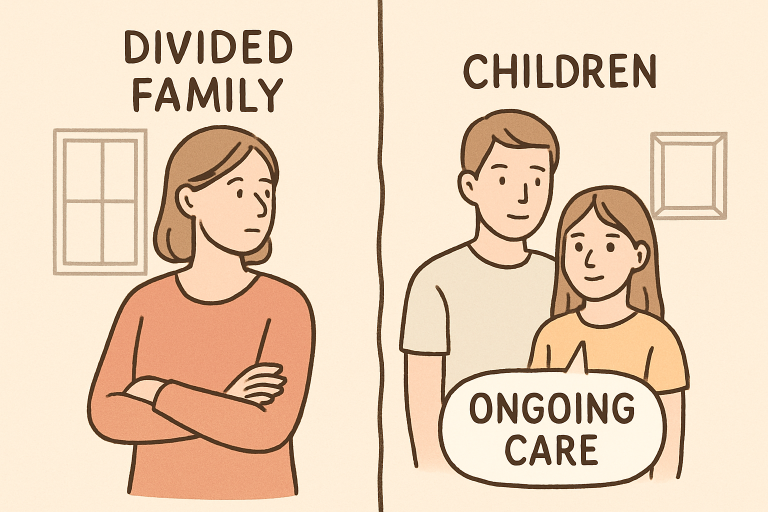
Children of divorced parents may face a wide range of emotional and behavioral issues. The transition can be marked by grief, anger, confusion, fear of abandonment, and a diminished sense of stability. Emotional turmoil may manifest as behavioral problems, including increased aggression or withdrawal from peers and activities.
Not all children are equally affected; supportive parenting and open communication can mitigate negative outcomes. Children benefit when both parents maintain meaningful contact and cooperate amicably. The involvement of counselors or child psychologists can provide essential support, helping children process their emotions and adjust to new circumstances constructively.
Impact on Educational Attainment
The disruption from divorce can affect children’s academic trajectories. Evidence suggests that children from wealthier, more stable backgrounds may experience a sharper decline in educational attainment following a divorce than peers from already disadvantaged homes. Reduced supervision, increased mobility, and emotional stress can all contribute to declining school performance. Creating structured routines and sustaining academic priorities is crucial for minimizing these impacts.
Joint Custody and Family Dynamics
Joint custody, now a common legal arrangement in many states, requires shared responsibilities regarding a child’s upbringing. While children benefit from ongoing relationships with both parents, joint custody can also demand significant cooperation and flexibility. Parents must coordinate not only schedules but also approaches to discipline, schooling, and extracurricular activities. To help navigate these challenges, HelpGuide offers practical co-parenting tips for divorced parents. This sustained collaboration can benefit children by promoting stability and reducing conflict. However, poor communication or unresolved conflict between parents can undermine these advantages, causing confusion or stress for children.
Legal and Societal Influences
Court decisions about custody and visitation are shaped not only by legal statutes but by prevailing societal attitudes and cultural norms. The move toward joint custody in recent decades is associated with shifts in the labor market and evolving ideas about fatherhood, gender equality, and children’s best interests. Courts may sometimes be influenced by personal perceptions of parental behavior or by persistent stereotypes, despite statutory intentions to remain objective and child-focused. Ensuring transparency in legal processes and advocating for fair representation can help families navigate these complex arenas.
Strategies for Mitigating Negative Impacts
- Communicate openly and honestly with children about family changes using age-appropriate language and reassurance.
- Seek professional counseling or therapy to help manage emotional challenges, both for children and adults.
- Establish regular routines and consistent expectations in both households to create a sense of predictability.
- Create detailed co-parenting plans that prioritize the children’s needs and minimize conflict between parents.
- Leverage community and educational resources to provide additional support throughout the transition period.
Conclusion
Divorce and child custody decisions have sweeping effects on family dynamics, influencing emotional stability, educational achievement, financial health, and parent-child relationships. Parents who stay informed, proactive, and child-focused can help their families weather the challenges of transition and support resilience and positive growth. By prioritizing open dialogue, mutual support, and expert guidance, families have the tools they need to navigate change and foster a healthy post-divorce environment.