
Essential Tips for Safe and Efficient Interior Demolition in Residential Projects
Key Takeaways
- Proper planning and safety measures are crucial for successful interior demolition.
- Understanding the different types of materials and structures helps execute the demolition efficiently.
- Adherence to local regulations and guidelines is necessary to avoid legal and safety issues.
Table of Contents
- Understanding Interior Demolition
- Planning Your Demolition Project
- Safety Measures to Implement
- Tools and Equipment Needed
- Managing Waste and Debris
- Ensuring Compliance with Regulations
- Collaborating with Professionals
- Case Studies and Real-Life Examples
Understanding Interior Demolition
Interior demolition involves systematically removing interior components such as fixtures, walls, ceilings, and other elements without affecting the structural integrity of the building. This type of demolition is prevalent during renovations and remodeling projects, where the goal is to refresh or completely change the interior layout. Given the precision required, following established protocols and safety standards is essential. Resources like Interior Demolition Chicago IL can provide invaluable support if you need professional guidance or services. Whether tackling a large-scale renovation or a minor room alteration, understanding the scope and requirements of interior demolition will save you time and reduce potential risks.
Planning Your Demolition Project
Every successful interior demolition project starts with meticulous planning. This involves assessing the extent of the demolition, understanding what materials and structures are involved, and creating a comprehensive checklist. The checklist should include every aspect of the demolition process, from the initial assessment to waste disposal and safety protocols. Allocate time to estimate the costs involved and what permits might be necessary. Proper planning not only streamlines project execution but also helps anticipate potential challenges. If planning seems overwhelming, consider consulting professionals who offer specialized services in planning and executing demolition projects.
Safety Measures to Implement
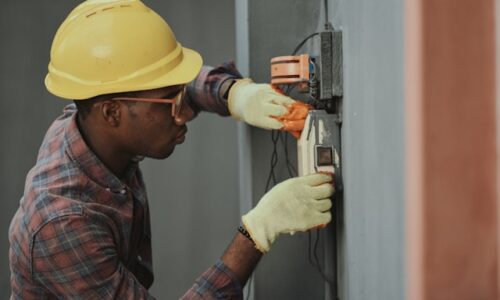
When it comes to interior demolition, safety is not negotiable. Personal protective equipment (PPE) such as helmets, gloves, goggles, and respiratory masks is essential. Additionally, securing the work area by setting up barriers and signage to keep unauthorized individuals out can prevent accidents. Fire safety measures, including the availability of fire extinguishers, should also be in place. Regular safety drills and checks are not just advisable but necessary. Organizations like OSHA provide guidelines on maintaining a safe work environment, which can be incredibly beneficial. These safety measures guarantee a secure work environment and drastically lower the chance of injuries.
Tools and Equipment Needed
Utilizing the right tools for interior demolition is imperative for efficiency and effectiveness. Essential tools like hammers, sledgehammers, and crowbars are essentials for manual demolition tasks. Power tools that can handle stiffer materials and speed up the process include reciprocating saws, angle grinders, and drills. Always ensure that the equipment is in good working condition and that you are familiar with its proper use. Improper use of tools can lead to delays and pose safety risks. Investing in high-quality tools and adequate training can prevent accidents and make demolition smoother.
Managing Waste and Debris
Effective waste and debris management is an integral part of any demolition project. Segregate recyclable materials like metal, wood, and glass from general waste to minimize environmental impact. A plan to eliminate dangerous substances like asbestos and lead paint is also essential. Hiring a professional trash management agency may be advantageous for larger projects. According to the Environmental Protection Agency (EPA), efficient recycling and waste management practices comply with regulations and promote a cleaner environment. Proper waste management plans ensure that demolition sites remain organized and safe.
Ensuring Compliance with Regulations
Compliance with the local building standards and regulations is essential when tearing down an interior. Before starting, contact local authorities to understand the required permits and inspections. Regularly review these regulations to stay updated and avoid potential legal complications. Compliance ensures that your project follows all safety norms and local guidelines, which can save you from fines and project delays. Staying informed about the latest requirements can make the process smoother and legally sound.
Collaborating with Professionals
Although tackling interior demolition projects independently might be tempting, working with licensed experts offers additional security and guarantees excellence. Professionals bring invaluable expertise and experience, significantly reducing the risk of errors and accidents. For complex demolition projects, hiring experienced professionals ensures that the job is done efficiently and correctly. They can also handle unforeseen challenges competently, ensuring the project adheres to the timeline and budget. Collaborating with experts can offer peace of mind and guarantee the success of your demolition project.
Case Studies and Real-Life Examples
Learning from the experiences of others can provide invaluable insights. Case studies of previous interior demolition projects often highlight common pitfalls and successful strategies. For instance, a case study on a large-scale residential redesign may showcase the importance of adhering to safety protocols and planning logistics ahead of time. Real-life examples demonstrate practical applications of theoretical knowledge and can guide you through your project. These studies serve as a blueprint, helping you avoid mistakes and adopt best practices for a successful demolition endeavor.