
The Advantages of Plastic Injection Molding in Modern Manufacturing
Key Takeaways
- Plastic injection molding provides efficiency, precision, and versatility in manufacturing.
- It can reduce production costs and waste, benefiting businesses and the environment.
- Advanced technology has expanded the capabilities of plastic injection molding.
Table of Contents
- Introduction to Plastic Injection Molding
- Efficiency in Production
- Precision and Consistency
- Versatility and Flexibility
- Cost-Effectiveness and Waste Reduction
- Sustainability and Environmental Benefits
- Technological Advancements
- Conclusion
Introduction to Plastic Injection Molding
Plastic injection molding is a manufacturing process that has revolutionized the production of plastic parts and products. This technique involves injecting molten plastic into a mold to form complex shapes with high precision. The injection molding method is widely adopted across various industries for its numerous benefits.
Plastic injection molding is a preferred method for producing a wide range of products, from small components to large structures, to ensure high-quality production while minimizing costs. Its advantages are seen in sectors like automotive, medical, and consumer goods, demonstrating its versatility and effectiveness. As industries continue to pursue efficiency and precision, plastic injection molding offers solutions that can meet their evolving needs.
Efficiency in Production
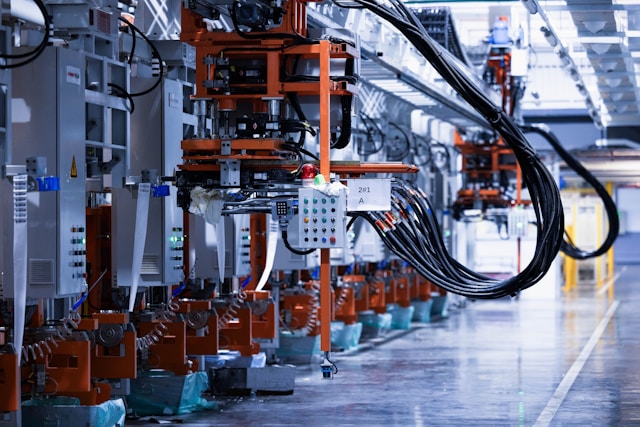
One of the primary advantages of plastic injection molding is its efficiency. The process is highly automated, significantly reducing labor costs and production time. Machines can operate continuously with minimal supervision, allowing large-scale production volumes without compromising quality.
The automated nature of this process also results in consistent and repeatable production cycles, driving down the costs associated with human error and waste. This efficiency makes it possible to easily meet high-demand scenarios, delivering large batches of precise components promptly. By streamlining the production process, businesses can achieve quicker turnaround times and fulfill customer orders more rapidly.
Precision and Consistency
Precision is a cornerstone of plastic injection molding. This method offers remarkable accuracy, resulting in highly consistent products. Industries where tight tolerances are critical, such as aerospace and medical devices, particularly benefit from this precision. With advanced molds and machinery, each part meets exact specifications, minimizing the need for post-production adjustments.
The consistency achieved through injection molding ensures that every piece is virtually identical, maintaining the quality necessary for applications where even the smallest deviations can have significant consequences. This high level of precision and consistency is vital in applications such as medical devices, where the failure of a single component could have dire outcomes.
Versatility and Flexibility
Another key advantage of plastic injection molding is its versatility. This process can accommodate a wide range of materials and complex design intricacies. Whether producing tiny medical components or large automotive parts, plastic injection molding adapts to various requirements, allowing industries to innovate and customize products to meet specific needs.
With the ability to use different types of plastics, including those with specific properties like flexibility, durability, or resistance to certain chemicals, manufacturers can effectively tailor materials to suit particular applications. This flexibility also extends to the design phase, where intricate and sophisticated geometries can be achieved, pushing the boundaries of innovation and product development.
Cost-Effectiveness and Waste Reduction
Another significant benefit of plastic injection molding is its cost-effectiveness. High production rates and reduced cycle times contribute to lower overall costs. Additionally, the process generates minimal waste, as excess plastic can often be reprocessed and reused. This economic advantage makes it appealing for both small and large businesses.
Waste reduction contributes to cost savings and aligns with environmental sustainability goals. The ability to recycle materials within the process minimizes the environmental impact and enhances the sustainability of the manufacturing operations. Reduced material wastage also decreases the overall footprint of the production process, making it a more environmentally friendly option.
Sustainability and Environmental Benefits
Sustainability is becoming a crucial focus in manufacturing. Plastic injection molding supports this trend by producing minimal waste and utilizing recyclable materials. Innovations in biodegradable plastics have further enhanced the environmental benefits, contributing to a more sustainable production model.
These advancements reduce environmental impact and help meet regulatory standards and consumer expectations for greener products. Companies can leverage these sustainable practices to build better brand reputations and cater to the growing demand for environmentally conscious products.
Technological Advancements
Technological advancements have greatly expanded the capabilities of plastic injection molding. Modern machinery equipped with computer controls and sensors ensures optimal performance and quality control. These innovations enhance productivity and open new possibilities for complex and high-precision manufacturing.
Read about recent technological innovations in manufacturing at IndustryWeek. These advancements include improvements in mold design, material science, and automation, all contributing to more efficient and reliable production processes. Integrating Industry 4.0 concepts with injection molding further enhances the precision and monitoring capabilities, ensuring that the manufactured products meet the highest quality and performance standards.
Conclusion
Plastic injection molding continues to be a cornerstone in modern manufacturing. Its efficiency, precision, versatility, cost-effectiveness, and sustainability make it indispensable across various industries. As technology advances, its potential and benefits will likely grow, driving further innovation and efficiency in production processes worldwide.
Industries ranging from automotive to healthcare rely on the unmatched advantages offered by plastic injection molding. As markets evolve and product requirements become more demanding, this manufacturing process will remain essential in meeting these challenges, ensuring that businesses can consistently provide high-quality, reliable, and cost-effective products.