
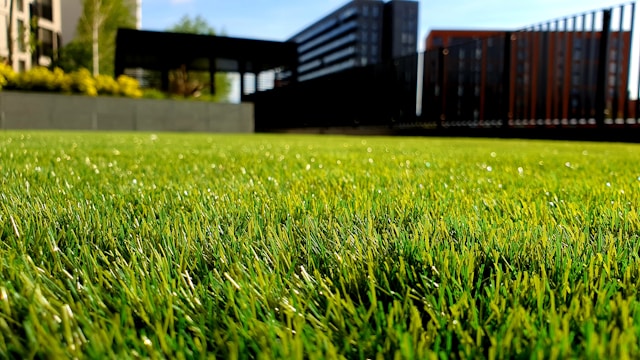
Simple Tips for Maintaining a Green and Healthy Lawn
Lawn maintenance benefits environmental health by improving air quality and fostering biodiversity. Dense grass traps pollutants boosts property value and creates a safe recreational space. Regular maintenance prevents weed germination and spread, promoting a robust root system for grass and soil structure.
A vibrant, green lawn is the pride of any home, inviting enjoyment and enhancing the overall landscape. Yet, attaining such a lush space demands dedication and knowledge, spanning proper mowing techniques to timely fertilization. For homeowners eager to achieve lawn perfection, expert landscaping services Fairfax Station, VA, seamlessly bridge the gap between ambition and action, offering insights and hands-on assistance for immaculate lawns.
Weekly Mowing Tips
Mowing is the most frequent task in lawn care, yet its importance and technique profoundly affect lawn health. Regular mowing practices need to be mindful of the grass height—only trimming about one-third off the top to prevent shocking the plant. Grass maintained at an optimal height ensures efficient photosynthesis, which is crucial for plant energy. It also aids weed prevention as the shaded lower layer inhibits weed growth. Check that mower blades are sharp for precise cuts that reduce disease risks.
Watering Techniques for Healthy Grass
With water being a critical component of lawn care, the timing and quantity of irrigation can make all the difference. Aim to water your lawn during the early morning hours when the temperatures are cooler and evaporation rates are low. This allows the grass ample time to absorb moisture before the midday heat. Consistent watering deeply but less frequently promotes more profound root growth, fortifying the resilience of your lawn. Most lawns thrive on about 1 to 1.5 inches of water each week, including rainfall and manual watering. A simple gauge or rain sensor can help you manage this gracefully.
Aeration and Its Benefits
Aeration, involving perforating the soil with small holes, facilitates the penetration of air, water, and nutrients to the deep roots of grass. This process alleviates soil compaction, a common challenge where the soil particles are packed so densely that even water can’t penetrate, strangling the grassroots of oxygen and hindering their growth. Aerating your lawn, especially in high-traffic areas, can rejuvenate struggling lawns by enhancing their intake ability, leading to thicker, healthier grass. Consider undertaking this practice in spring or fall when the grass is actively growing, ensuring quick recovery and optimal benefit.
Natural Fertilizers and Their Role
Natural fertilizers from organic materials like compost, bone meal, and manure offer environmentally conscious ways to enrich your lawn. Unlike synthetic counterparts, natural fertilizers release nutrients slowly over time, aligned with your lawn’s growth cycle. This gradual feed protects against burning the grass and ensures sustained nutrient availability that supports a vibrant and thick lawn. Additionally, they improve soil structure and encourage beneficial microbial activity, creating a thriving ecosystem beneath your feet. Whether applied in moderation or as part of your yearly fertilizer program, these organic options ensure your lawn remains vibrant without harming the environment.
Dealing with Common Lawn Pests
Common lawn pests can be managed without using chemical solutions. Identifying the pests, such as lawn grubs, cinch bugs, or sod webworms, is crucial. Biological controls like beneficial nematodes and ladybugs can provide targeted pest reduction. A successful lawn care schedule considers seasonal changes, such as aeration, pre-emergent herbicides, mowing, watering, and fertilizing. Adapting treatments based on the time of year ensures a vibrant lawn year-round. Lawn managers can maintain a healthy and vibrant lawn by focusing on aeration, pre-emergent herbicides, mowing, and watering.
Eco-Friendly Lawn Care Practices
Eco-friendly lawn care practices, such as grasscycling and transitioning to drought-resistant grass types, can reduce yard waste and conserve natural resources. These practices not only maintain beautiful lawns but also conserve natural resources. Addressing bare spots and patchy areas with a lawn patch repair mix, including mulch, lawn seed, and fertilizer, can promote new growth and prevent weed breeding. Consistent care and patience can transform these spots into healthy lawn sections, ensuring a healthier environment for both the environment and the lawn.
Regular Monitoring and Adjustments
Regular lawn inspections help identify diseases, nutrient deficiencies, and pest invasions early, allowing quick action. This can be as simple as observing discoloration, weeds spreading, or thinning patches during mowing and care practices. Adjustments to care routines, such as mowing height, watering strategy, and pest management methods, ensure timely and effective care, fostering recovery before they escalate into significant problems.