
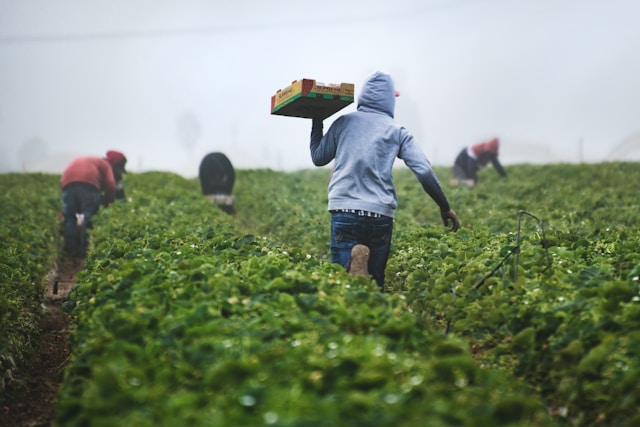
How to Start an Organic Farm from Scratch and Thrive
Key Takeaways
- Understand the basics of organic farming.
- Learn how to create a business plan for your farm.
- Discover various organic farming techniques.
- Explore the essential tools and equipment needed.
- Gain insights into marketing your organic products.
Introduction to Organic Farming
Organic farming offers a sustainable way to produce healthy food while maintaining the balance of our ecosystem. Whether passionate about fresh produce or looking for a new venture, starting an organic farm can be rewarding. Organic farming provides nutritious food and promotes environmental stewardship, making it a fulfilling endeavor for environmentally conscious individuals.
Developing a Business Plan
Creating a comprehensive business plan is crucial. This plan should include market research, a financial plan, and a detailed layout of your farm. This journey is akin to discovering horseback riding trails Chester County, where each path holds unique challenges and delightful surprises. According to the USDA Organic Agriculture, well-organized planning significantly increases the chances of success. Establish clear objectives and identify your target market to ensure a solid foundation for your business. Determine the types of crops you want to grow, estimate the initial investment required, and project potential revenue streams. A detailed business plan will serve as your roadmap, guiding you through the initial stages and helping you stay on track toward your goals.
Understanding Organic Farming Techniques
Organic farming relies on natural processes and cycles. Familiarize yourself with crop rotation, composting, and pest management without chemicals. Organic Farmer Solutions provides information on various sustainable and effective techniques. For instance, crop rotation helps maintain soil fertility, while composting recycles organic waste into valuable nutrients. Furthermore, the utilization of integrated pest management (IPM) techniques can successfully manage pests while protecting beneficial insects and the environment. Understanding these techniques and practices is essential for building a resilient and sustainable organic farm.
Essential Tools and Equipment
- Soil testing kits
- Compost equipment
- Watering systems
- Organic seeds
- Natural pesticides
Investing in the right tools can save you time and resources in the long run. High-quality soil testing kits help you monitor soil health, while effective compost equipment ensures you make the most of organic waste. Additionally, efficient watering systems and natural pesticides help maintain the health of your crops without harming the environment. An illustration would be how drip irrigation systems deliver a steady water supply straight to the roots of plants, decreasing water consumption and encouraging robust growth. Neem oil and garlic spray are safe and effective pest control options derived from natural sources. Ensuring the right tools and equipment will streamline farming operations and enhance productivity.
Marketing Your Organic Products
Once you start harvesting, selling your products is the next challenge. Utilize local farmers’ markets, social media, and organic food stores to expand your reach. A recent article suggested that creating a solid brand story can significantly boost sales and customer loyalty. Engage in community-supported agriculture (CSA) programs and build an online presence through a website or blog to attract a wider audience. Connecting with your customers through storytelling and sharing your farm’s journey can create a personal connection and foster trust. Additionally, partnering with local restaurants and health food stores can provide consistent demand for your products. Utilizing different marketing avenues can expand your reach and cultivate a dedicated customer following.
Maintaining Soil Health
Soil health is the backbone of organic farming. Regularly test your soil, use organic fertilizers, and implement crop rotation. These steps ensure long-term productivity and sustainability. For example, cover cropping can help prevent erosion and improve soil structure, while green manure enriches the soil with essential nutrients. Regularly adding organic matter, such as compost or manure, contributes to soil fertility. Maintaining soil health involves understanding the specific needs of your soil and tailoring your practices accordingly. Healthy soil supports robust plant growth, enhances nutrient availability, and reduces the risk of plant diseases, ultimately leading to higher yields.
Navigating Regulations and Certifications
Getting certified as an organic farmer involves adhering to specific regulations. Start by understanding the requirements set by the USDA National Organic Program. Certification not only validates your practice but also instills trust in your customers. Maintaining records of farming practices and ensuring compliance with organic standards are essential steps in the certification process. This includes keeping detailed documentation of soil and crop management practices, input materials used, and measures taken to prevent contamination. Demonstrating your commitment to organic principles through certification assures consumers that your products meet rigorous standards, enhancing your farm’s credibility.
Building a Support Network
Join farming communities, attend workshops, and seek advice from experienced organic farmers. Networking provides valuable insights and support, helping you overcome challenges. Participating in farming cooperatives and online forums can facilitate knowledge exchange and foster community among like-minded individuals. Connecting with other farmers allows you to share experiences, learn from each other’s successes and failures, and stay updated on the latest organic farming trends. Building a support network provides practical advice and emotional encouragement, creating a positive and motivating environment for your farming journey.
Conclusion
Starting an organic farm is a multifaceted venture that requires passion, planning, and persistence. Following the abovementioned guidelines, you can cultivate a successful and sustainable farming business. Welcome the adventure, and keep in mind that every stride moves you nearer to realizing your goal of operating a successful organic farm. Remain dedicated to your vision, keep growing and adjusting, and feel proud of the positive influence you have on the environment and your community.