Gear Up for Rescue: Skills and Training Every First Responder Needs
Key Takeaways
- Understanding the fundamental skills and training required for firefighters and EMTs is crucial for aspiring professionals.
- Both physical and mental preparedness are critical components of effective emergency response.
- Continuous education and training play a significant role in career advancement.
In emergencies, the skills and preparedness of first responders can make the difference between life and death. Whether dealing with natural disasters, medical emergencies, or accidents, these brave individuals must have diverse skills and comprehensive training to handle crises effectively. By understanding and mastering these crucial skills, first responders can perform their duties with confidence and efficiency, ultimately saving lives and ensuring public safety.
Firefighter or EMT careers are demanding and crucial for community safety, requiring unique skills and training, with each position having specific demands. Understanding the requirements and training involved is essential for those interested in pursuing these careers. If you’re considering a path in this noble profession, checking out EMT training courses Texas can be a beneficial starting point.
Basic Requirements and Skills
Both firefighters and EMTs must meet specific basic requirements before starting their careers. Generally, these include a high school diploma or GED, a valid driver’s license, and specific age and physical fitness criteria. Additionally, crucial skills such as teamwork, problem-solving, and excellent communication are vital for success. A firefighter’s job can range from battling fires to performing rescues, while an EMT often provides medical care in emergency settings, making these roles diverse and multi-faceted.
A solid educational foundation is essential. Basic knowledge of biology, chemistry, and physics can be advantageous. Additionally, firefighters and EMTs often undergo specialized training courses that provide them with the necessary skills and knowledge to perform their duties effectively. High school health, physical education, and first aid classes can also be incredibly beneficial for setting the stage for more advanced training.
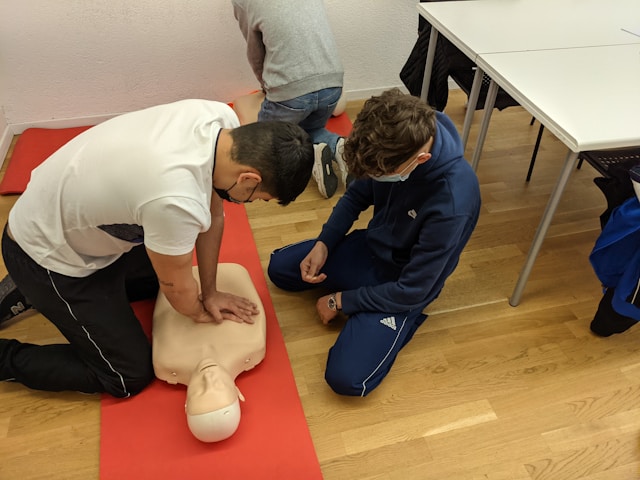
Technical skills are also crucial. Firefighters must operate various types of equipment and tools. Their efficient execution of these tasks can make the difference between life and death in emergencies. On the other hand, EMTs must be proficient in emergency medical procedures, including CPR, wound treatment, and administering various medications.
Physical and Mental Preparedness
Physical fitness is non-negotiable for firefighters and EMTs. Rigorous training programs, such as the Candidate Physical Ability Test (CPAT), ensure that candidates can handle the job’s physical demands. These tests typically involve timed exercises that simulate on-the-job tasks, such as climbing ladders, carrying heavy equipment, and dragging hoses. Consistent physical training, including strength conditioning and cardiovascular exercises, is essential to maintain the fitness levels required for these physically demanding roles.
Equally important is mental preparedness. Job stress, exposure to trauma, and the unpredictability of emergencies require robust mental resilience and coping strategies. Training programs often include psychological components aimed at stress management, emotional regulation, and building mental toughness. These can involve simulation exercises where candidates are placed in high-stress scenarios to test and improve their mental response capabilities. Mental health support is also often available for professionals to help them manage the emotional strain of the job.
Regular drills and practice scenarios help firefighters and EMTs develop resilience and adaptability, enabling efficient handling of real-life emergencies. Consistent training in challenging scenarios enhances quick reflexes and decision-making skills.
Ongoing Training and Education
The journey doesn’t continue once you secure your position. Continuous education and skill enhancement are critical. Firefighters and EMTs must undergo continuous training to stay abreast of the latest emergency response techniques and protocols. This could involve advanced medical training, fire science courses, or specialized rescue techniques. Continuous learning ensures you are prepared for any situation and can offer the best service possible. Specialized topics like hazardous material handling, urban search and rescue, and advanced trauma life support are often part of continued education curriculums.
Professionals in these fields often pursue advanced certifications to enhance their expertise. For example, EMTs might seek certification in Advanced Cardiac Life Support (ACLS) or Pediatric Advanced Life Support (PALS). Firefighters might take courses in hazardous materials handling or advanced rescue techniques. These certifications enhance job performance and open up new career opportunities. Many departments offer stipends or promotional opportunities for employees who obtain these advanced certifications, recognizing the added value they bring to the team.
Staying updated in emergency services requires lifelong learning through regular training, workshops, and industry journals. This ensures professionals stay informed and skilled in the ever-evolving field.