
Enjoying the Outdoors: Essential Tips for Seamless Camping Experiences
Key Takeaways:
- Understand the importance of choosing the right camping gear for comfort and safety.
- Learn practical tips for efficient packing and setting up your campsite.
- Discover the benefits of incorporating screen houses into your camping setup.
Choosing the Right Camping Gear
When planning a camping trip, selecting the appropriate gear is crucial for comfort and safety. Investing in high-quality essentials such as tents, sleeping bags, and portable furniture is a great start. For instance, the Eureka Northern Breeze Canada greenhouse offers a protective haven against bugs and weather, making it a valuable addition to your camping setup. Always prioritize durable, weather-resistant gear that is easy to set up.
The right camping gear can significantly impact your outdoor experience. Opt for items that can withstand different weather conditions and varied terrains. From sturdy backpacks to ergonomic sleeping pads, every piece of gear ensures a smooth and enjoyable adventure. Consider investing in multifunctional gear, such as a sleeping bag that converts into a blanket or a backpack with detachable compartments for more accessible organization.
Packing Essentials for a Hassle-Free Trip
Packing can be daunting, but ensuring that nothing vital is omitted is essential. Start with a checklist that includes cooking utensils, first-aid kits, and personal hygiene products. Packing light yet efficiently is critical. Essentials such as multi-tools, extra batteries, and waterproof containers should always be in your backpack. A well-prepared camper also includes layers of clothing to adapt to changing weather and a reliable light source, whether a headlamp or a lantern.
Additionally, organizing your items by categories—clothing in one section, food in another, and so forth—saves time when you need to locate specific items quickly, minimizing unnecessary hassle while at the campsite. Utilize packing cubes or designated bags to keep your gear sorted, and always double-check your checklist before departing to ensure nothing has been overlooked.
Setting Up Your Campsite
Setting up a campsite might seem straightforward, but some nuances must be considered. Always choose a flat, shaded area to pitch your tent, avoiding low-lying spots that could flood. Set up your kitchen and sleeping areas separately to maintain hygiene and safety. Use the natural landscape to shield your campsite from elements like wind and sun. Create a comfortable living space by laying down a tarp or groundsheet inside the tent to keep moisture and dirt at bay.
Place your tent with the entrance facing away from the wind, and use a ground tarp to keep moisture out. Utilize guy lines and stakes to secure your tent, especially in windy conditions. If you’re using a greenhouse, like the Eureka Northern Breeze, place it over the picnic table to create a comfortable communal area protected from insects and elements. Proper campsite setup ensures a secure, comfortable stay, allowing you to focus on enjoying the great outdoors.
The Role of Screenhouses in Camping
Screenhouses provide shelter from the elements while allowing you to enjoy the outdoors. These structures can significantly enhance your camping experience by keeping insects away and providing a covered space for eating and socializing. They are instrumental in areas prone to bugs or unpredictable weather, providing a haven to relax without the annoyance of swarming insects or sudden downpours.
For campers who enjoy extended stays, a greenhouse is an invaluable addition. It offers a versatile space that can serve as a dining room, kitchen, or makeshift lounge. The light mesh construction allows for fresh air while keeping the bugs at bay, making your outdoor stay far more pleasant. Especially for families, a greenhouse can become the central hub of activity, where games can be played and meals can be enjoyed together, sheltered from the elements.
Efficient Campfire Management
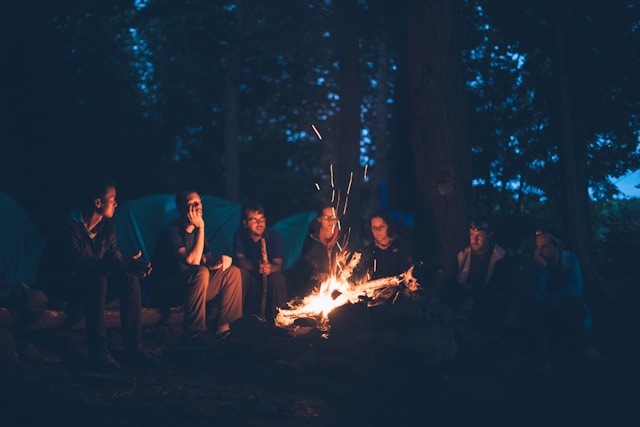
A campfire adds to the camping experience but requires careful management. Always set up your fire in a designated area and never leave it unattended. Use a fire ring if available, and keep water and a shovel nearby to control the flames as needed. Ensure the fire is out before retiring for the night or leaving the site by drowning the fire with water, stirring the ashes, and feeling for remaining heat.
In addition, using sustainable firewood and adhering to local fire regulations ensures that your campfire contributes positively to the environment. Responsible campfire practices enhance safety and preserve natural resources for future campers. Cooking over an open fire also provides a unique culinary experience. To enjoy the tradition, try recipes best suited for campfire cooking, like foil-wrapped veggies or marshmallow treats.
Cooking Tips for the Great Outdoors
Outdoor cooking can be fun but challenging. Plan meals that are simple to prepare and require minimal cleanup. A portable camping stove can be a game-changer, enabling you to cook efficiently in various conditions. Keep perishable items in a cooler and adhere to food safety guidelines. Pre-chopped vegetables and pre-marinated meats can simplify meal prep, allowing more time to soak in the natural surroundings.
Experiment with meals that combine ease of preparation with nutritional value. One-pot meals, foil-picker dinners, and ready-to-eat snacks are excellent for camping. Always practice Leave No Trace principles by cleaning up thoroughly and disposing of waste responsibly. Incorporate quick and nutritious breakfast options, like oatmeal or energy bars, to kickstart your day of adventures seamlessly.
Staying Safe and Respecting Nature
For your safety, always be aware of local wildlife and vegetation. Keep your food secured and maintain a clean campsite to avoid attracting animals. It’s also essential to follow Leave No Trace principles, ensuring that you leave the campsite as you found it, if not better. Follow established trails and respect wildlife by observing and not feeding them from a distance.
Awareness of your surroundings and responsible behavior are cornerstones of a successful camping trip. Respect wildlife habitats by maintaining a safe distance and keeping noise levels low. Doing so encourages a harmonious coexistence with nature, preserving the environment for future generations of campers. Equip yourself with knowledge of the area’s ecosystem and potential hazards, such as poisonous plants or unstable terrain, to enhance your safety while exploring the outdoors.